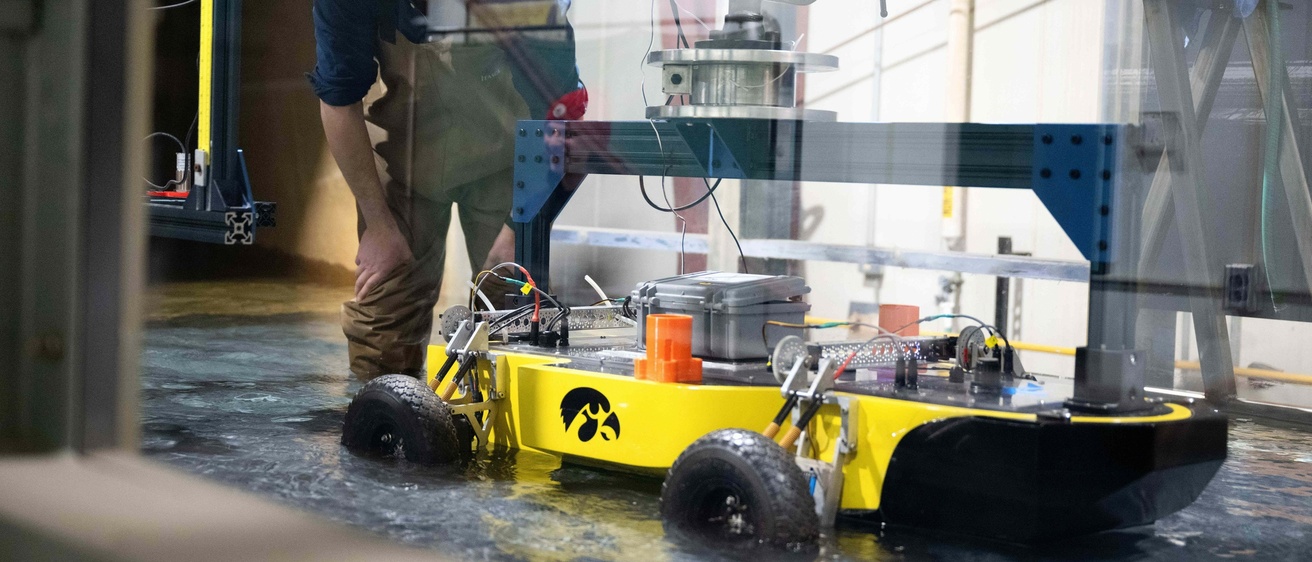
IIHR—Hydroscience and Engineering is an internationally renowned laboratory where researchers are solving some of our world’s greatest fluids-related challenges.

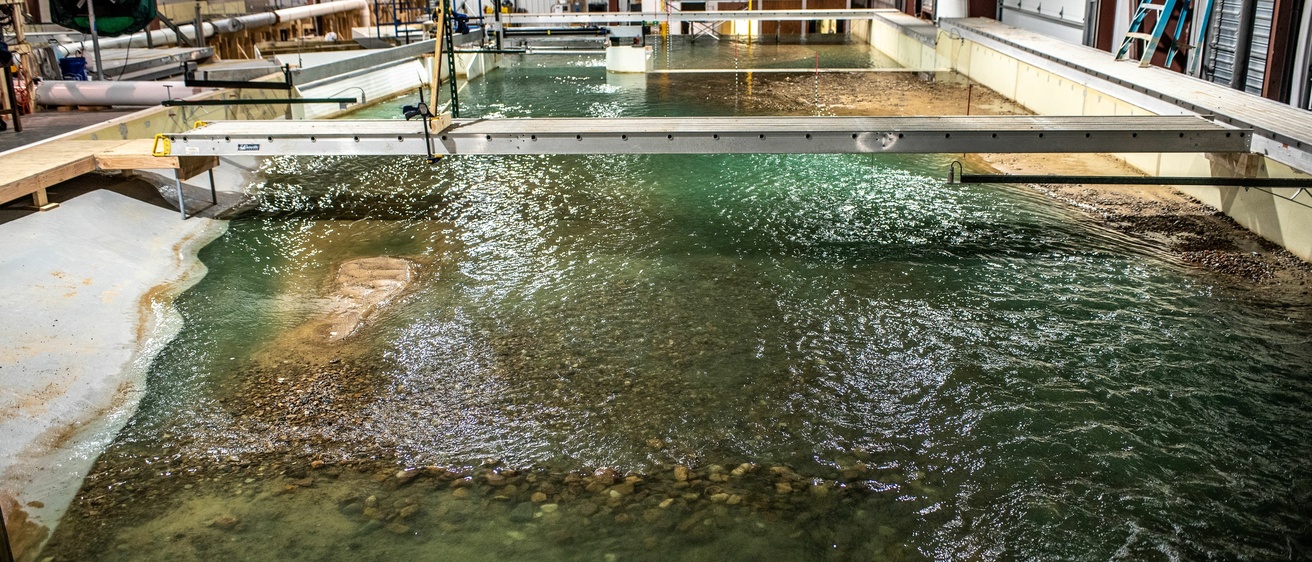
Rivers, Watersheds, and the Landscape
IIHR researchers are addressing issues related to sustainability in the water, energy, and food nexus; improving our understanding and adaptation to climate change; increasing community resilience to natural hazards; and helping equip society with the tools to make informed decisions.
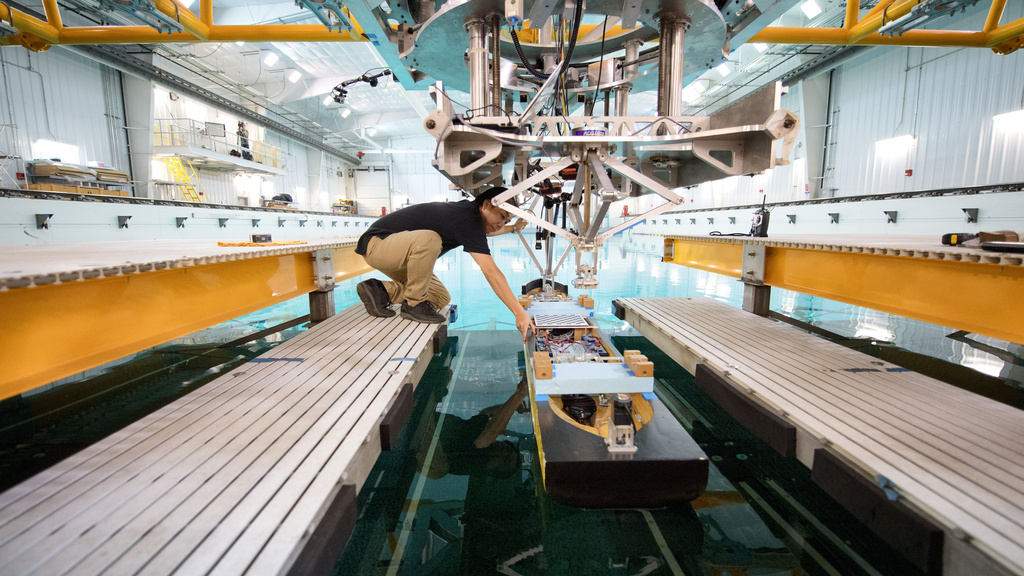
Fluid Mechanics and Structures
Fluid mechanics, the study of fluid behavior at rest and in motion, is at the core of nearly all IIHR research. IIHR uses the basic governing equations of fluid mechanics to investigate a wide range of applications—river flow, atmospheric conditions, renewable energy (e.g., wind and water turbines), ship hydrodynamics, biological systems, and much more.
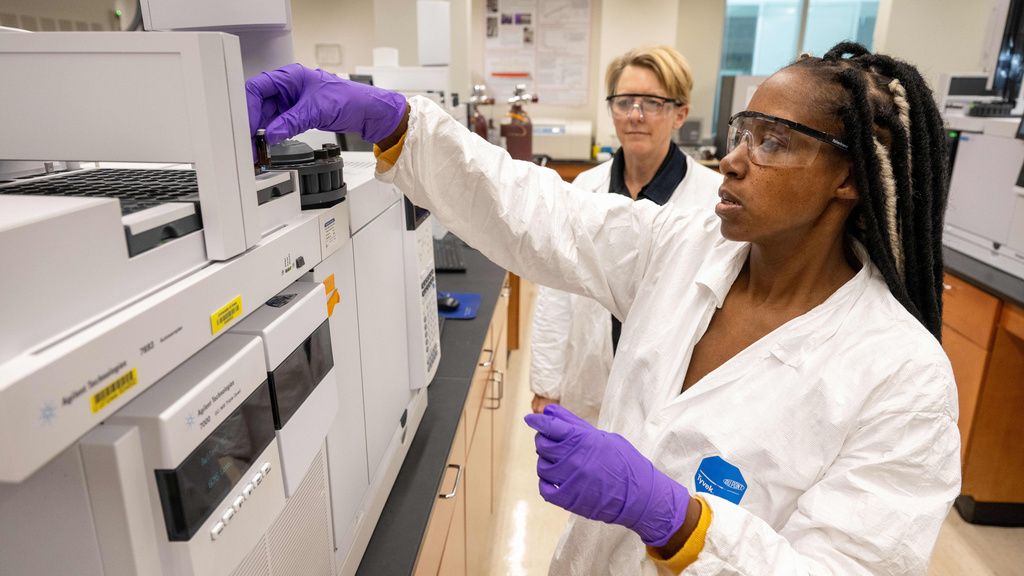
Health and the Environment
Much of IIHR’s research touches all our lives, affecting human health and well-being in meaningful ways. Studies of biofluids, environmental contaminants, vulnerability, and resilience are relevant to each of us. In addition, projects on renewable energy and watersheds help remediate society’s negative environmental impacts, leading to a higher quality, more sustainable life.
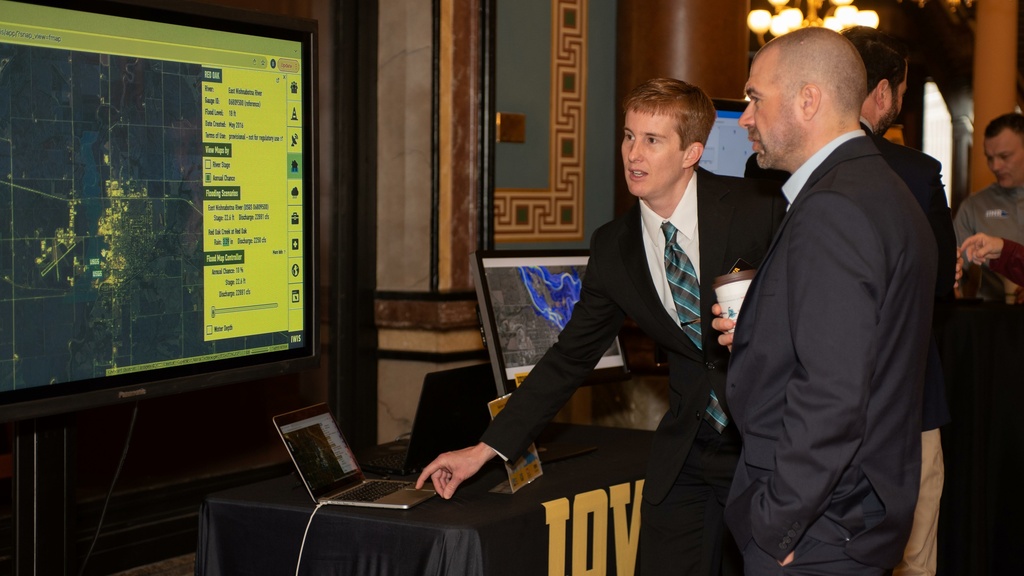
Information Systems
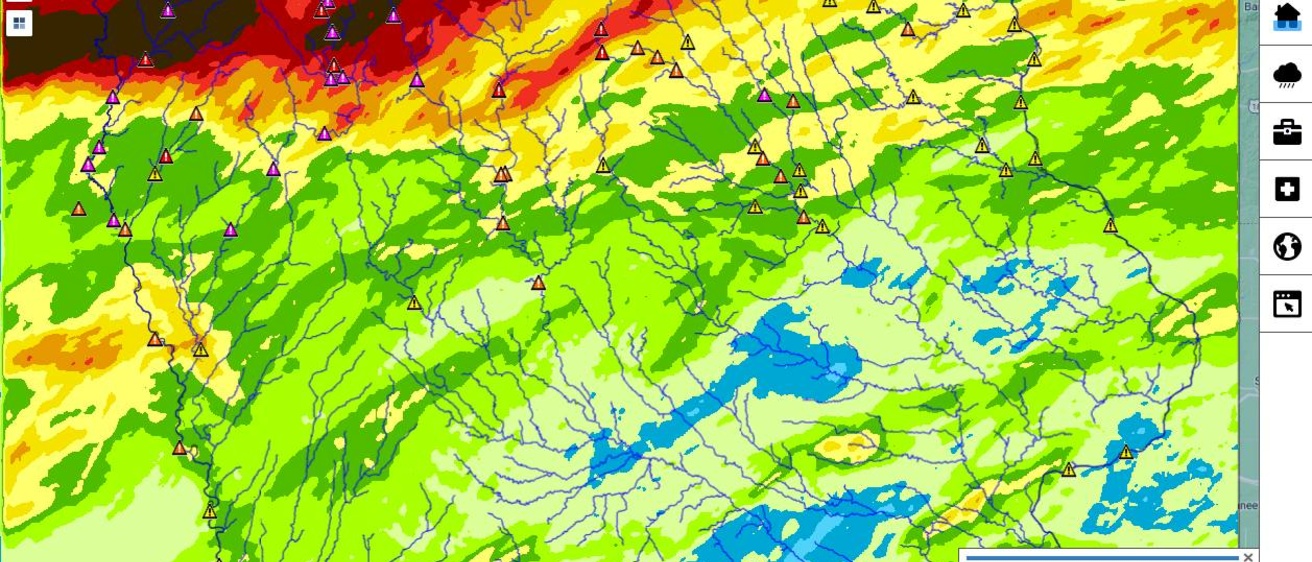
Beginning with the innovative Iowa Flood Information System (IFIS) in 2011 (updated in 2026), IIHR has made online public access to research data the standard for its major research initiatives. IIHR has developed online data access systems for water quality information, flood mitigation projects, well-driller information, and more. These platforms provide emergency managers, decision-makers, and the public with accurate and reliable data.
Serving Iowans
From flood to drought, surface water to groundwater, IIHR is helping Iowans understand and manage water resource challenges to ensure a livable and sustainable future.


Featured News


Read IIHR Insider News
Discover stories from across IIHR. Learn about our research, outreach, and the people behind our work through stories shared by those who know it best.
Recent News

Researcher Works to Provide Reliable Flood Prediction Information for All

With Iowa Water Quality, You Can’t Fix What You Don’t Measure | Opinion

UI Water Quality Sensors Face Precarious Future as Midterms Loom
Events

Party After the Parade hosted by the College of Engineering
Healthy Iowa: Environmental Science, Public Health Data, and the Law
Environmental contaminants, from PFAS and pesticides to emerging contaminants that may not yet be fully understood, raise complicated questions for communities: What are we being exposed to? What are the potential health effects? How do we know when there is a problem? Who is responsible? And what can communities and individuals do when contamination is discovered?
This public-facing panel will bring together experts in science, public health, and environmental law to explore those questions and...

Driftless Water Forum
Public water supplies, private wells, surface water, agriculture and land use, watershed conditions, community infrastructure, and public health are interconnected. Yet the people working with these issues often operate through different systems.
The Driftless Water Forum will create neutral ground for those perspectives to come together—building shared understanding of Northeast Iowa water conditions and vulnerabilities, hearing from people working with these issues firsthand, and connecting...