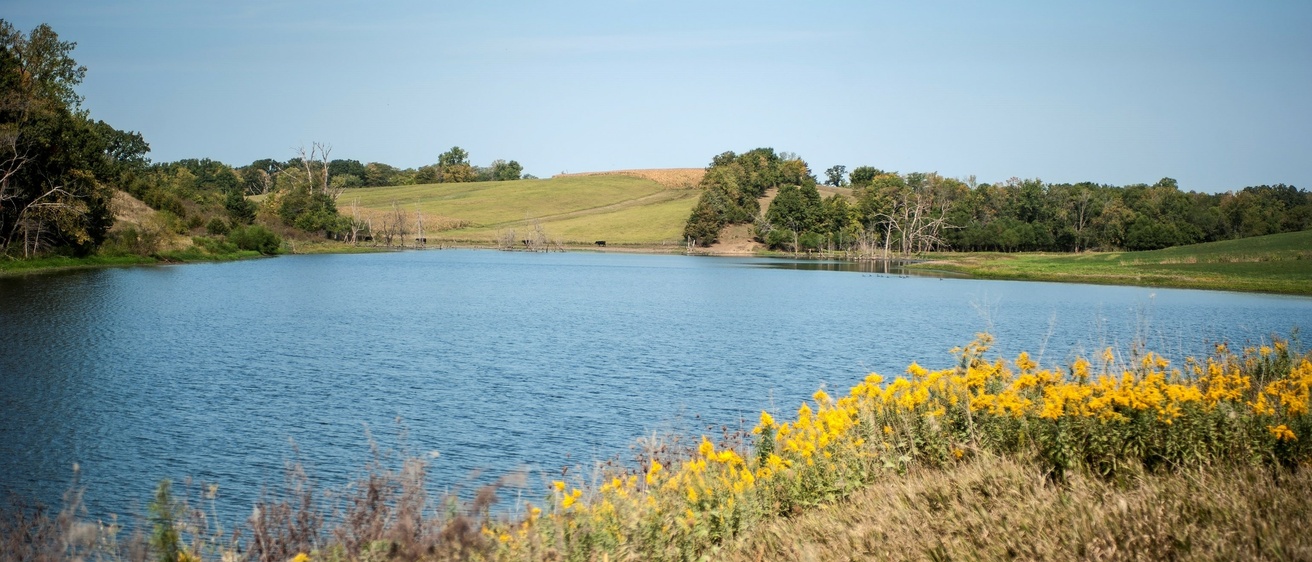
Going with the Flow
IIHR has been involved in river-related research since the lab’s beginnings, with some of its earliest research focused on improving navigation on the Mississippi River. Early experiments capitalized on IIHR’s experimental channel, which drew water directly from the adjacent dam on the Iowa River.
Throughout time, IIHR’s research portfolio has adapted and evolved to predict and meet changing societal needs. Established centers within IIHR include the Iowa Flood Center (IFC), Iowa Geological Survey, and Iowa Nutrient Research Center; these centers work together to provide direct benefits to the people of Iowa. Services include robust and reliable information to help Iowans understand and reduce their risks related to floods, droughts, groundwater sustainability, and water quality. This research has far-reaching impacts across communities and individuals, and is enhanced by studies on environmental contaminants, renewable energy, and watershed management.
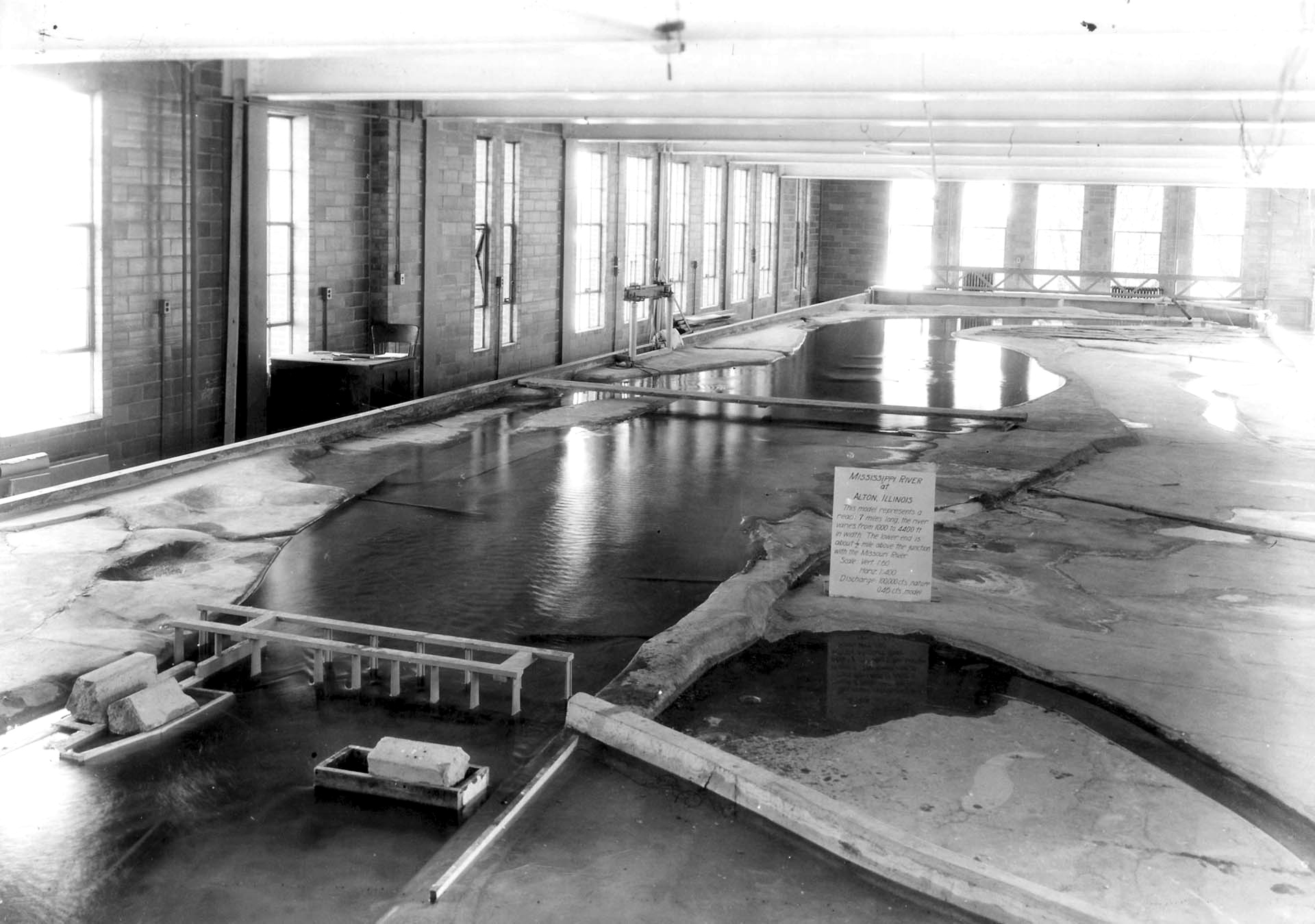
Model of the Mississippi River, circa 1930, constructed in the C. Maxwell Stanley Hydraulics Laboratory.
Mississippi River Research
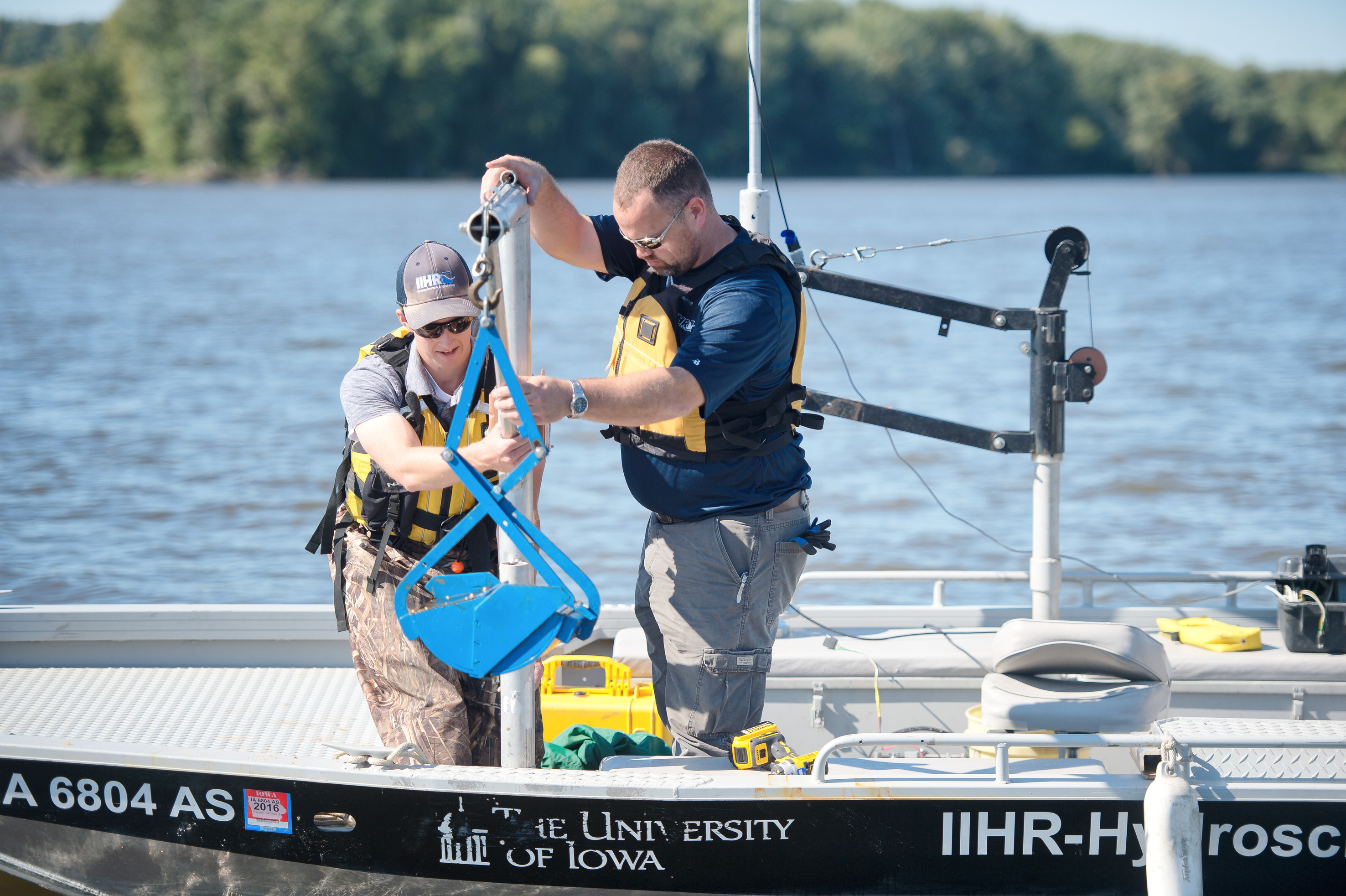
The Lucille A. Carver Mississippi Riverside Environment Research Station (LACMRERS) is the first university-owned research and education center on the Upper Mississippi River. Located just north of Muscatine, Iowa, on the Mississippi River, LACMRERS was designed and equipped to support research and education relating to the Mississippi River and large river systems in general.
Specialized Research Centers
Learn more about IIHR’s specialized research centers and programs dedicated to improving water management across Iowa, the nation, and the world.
Research Spotlight: The Iowa Watershed Approach
Leveraging its expertise through the Iowa Flood Center, IIHR helped bring more than $100 million to the state of Iowa for the Iowa Watershed Approach—a community-led program supported by state and federal partners to develop and implement strategies to mitigate flood damage and increase resilience. Funded by the U.S. Department of Housing and Urban Development, the IWA brought together local, state, and federal partners, empowering them with science-based information to develop long-term watershed management plans and to guide strategic conservation practice implementation efforts that work progressively with agriculture.
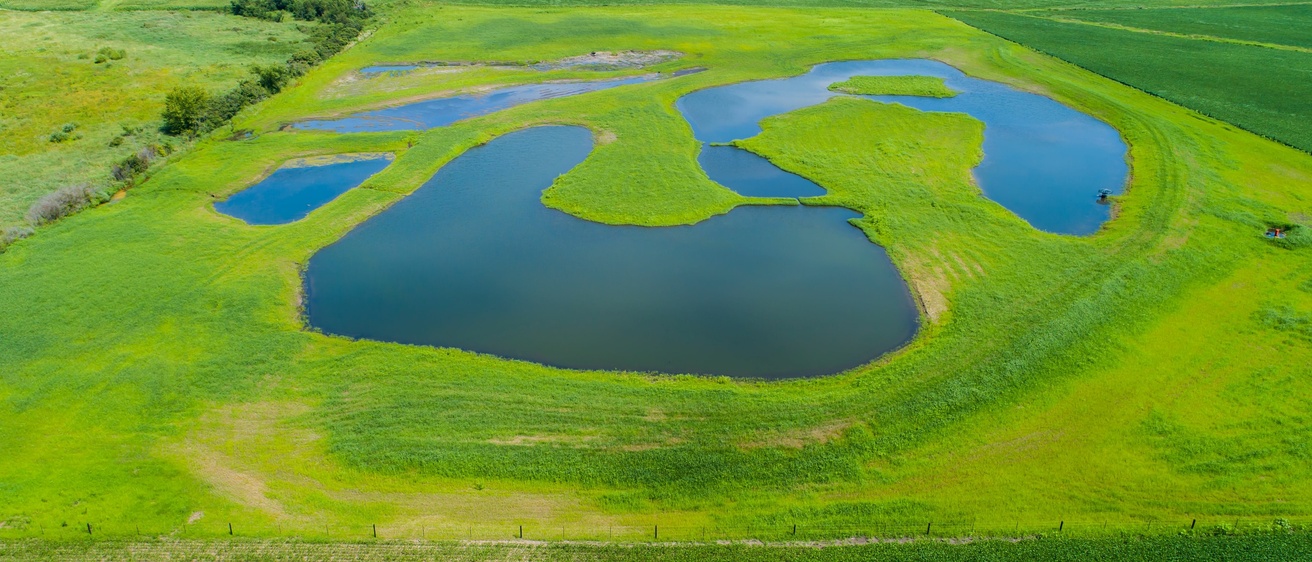
The program ended in December 2022 after completing more than 800 flood mitigation projects such as ponds, terraces, and wetlands. The IWA invested more than $40M in nature-based practices. The program has received national attention from other states, including North Carolina, Texas, Louisiana, Missouri, and Wisconsin. looking to replicate the successful IWA framework. IIHR and IFC continue to be involved in watershed management efforts across Iowa.
Fostering Collaborations Across Disciplines
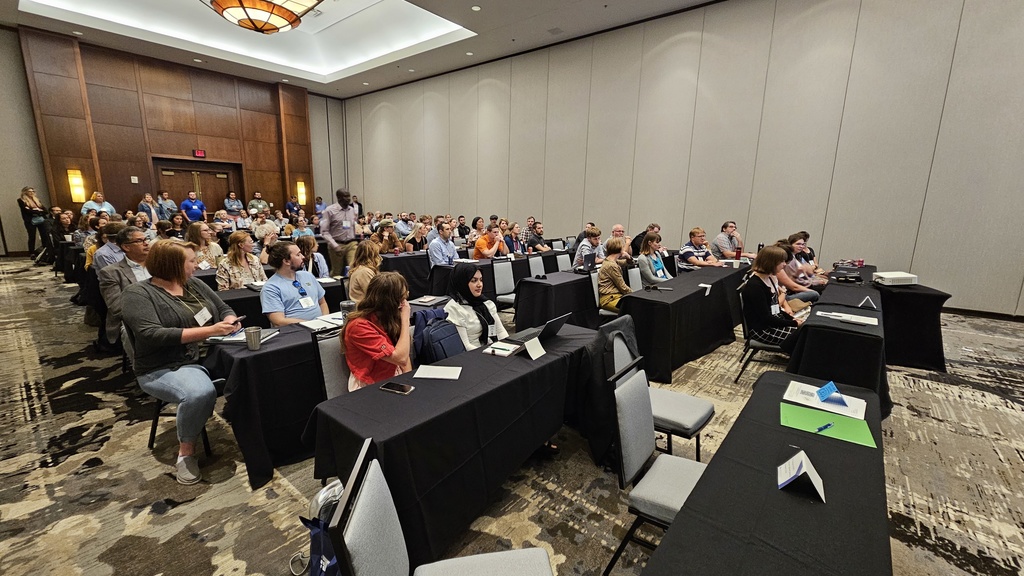
Finding hope: Iowa Water Conference brings research breakthroughs to the forefront
