Articles from January 2026
What Does a Small Town Do When the Water Is Undrinkable?
Friday, January 30, 2026
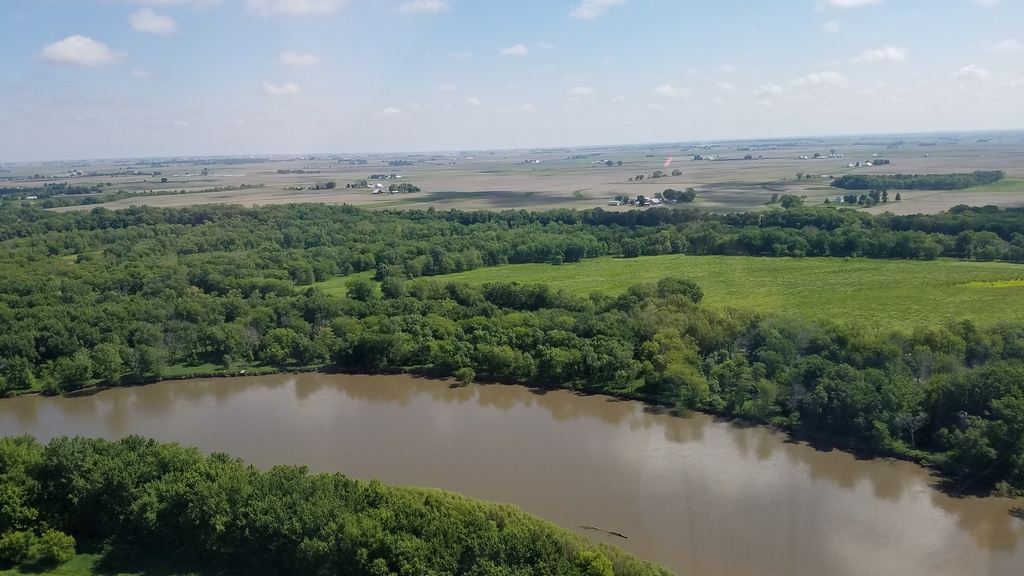
Nitrate pollution is straining small water facilities in Iowa, even when they have advanced filtration systems.

Iowa town‘s drinking water shaped by 74-million-year-old crater
Monday, January 26, 2026
As national debate over fluoride intensifies, Manson, Iowa, faces the opposite problem: naturally excessive levels

Researchers find Iowa’s farm ponds are filling with sediment faster than expected
Thursday, January 22, 2026
Iowa researchers have found that farm ponds — designed to control flooding and curb the amount of soil and organic materials moving downstream — are filling up with sediment more quickly than expected.
Iowa Flood Center researcher takes work overseas with Fulbright award
Tuesday, January 20, 2026
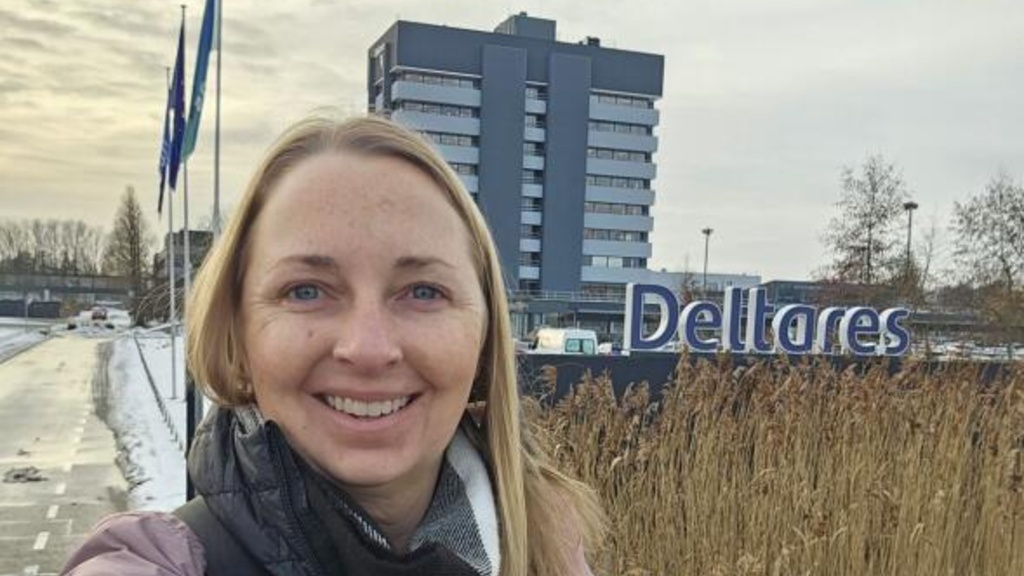
Kate Giannini spent a lot of her youth in Iowa City outdoors, playing in creeks and exploring nature. In high school and college, she enrolled in environmental classes and found inspiration to pursue the sciences. That led Giannini to her current job as program manager for the Iowa Flood Center — IIHR—Hydroscience and Engineering in the University of Iowa’s College of Engineering. There, she works to enhance flood resilience across the state.
Riverside's Kate Giannini to bring Dutch flood-planning tool back to Iowa
Friday, January 16, 2026
RIVERSIDE — Kate Giannini’s work on flood resilience has taken her from small-town Iowa to the Netherlands this winter, where she is using a Fulbright exchange to help bring a Dutch flood-planning tool to an Iowa community for the first time.

Warm weather, lack of frost partly why there's high nitrate levels this winter
Friday, January 16, 2026
DES MOINES, Iowa — Central Iowa is once again seeing elevated nitrate levels in its rivers, this time in the middle of winter.

Passing the Torch: IIHR welcomes next generation of water research innovators
Thursday, January 15, 2026
For decades, the University of Iowa’s IIHR—Hydroscience and Engineering (IIHR) has been at the forefront of research in water science and environmental engineering. Visionary scholars, including Witold Krajewski and Jerry Schnoor, have become pillars of the field, shaping global perspectives of hydrology, climate resilience, and sustainable water systems. Now, as they transition into retirement, IIHR is entering a new era, building upon the momentum of fresh energy and bold ideas.

Researchers find gully erosion filling up flood-control ponds faster than expected
Tuesday, January 13, 2026
Farm ponds in Iowa, built primarily for flood-control purposes, are designed and constructed for an expected lifespan, based on expected sedimentation rates. New research, led by a team from the Iowa Geological Survey, set out to determine how actual sedimentation rates correlate with the ponds’ original predicted longevity

Assessing sediment sources, nutrient storage, and long-term sustainability of three permanently filled farm ponds in southern Iowa
Tuesday, January 13, 2026
Small ponds and lakes dominate the distribution of global water bodies and have many ecological benefits. In the Midwest United States, ponds have been constructed to aid the reduction of sediment export from watersheds and for flood control purposes.

CIROH Executives Meet with IIHR Regarding Future Ambitions
Tuesday, January 13, 2026
Steve Burian, executive director of the Cooperative Institute for Research to Operations in Hydrology (CIROH), and Erin White, associate director of science and research operations, traveled to Iowa City to discuss the future direction of the program and how IIHR and the Iowa Flood Center can best support its research priorities.